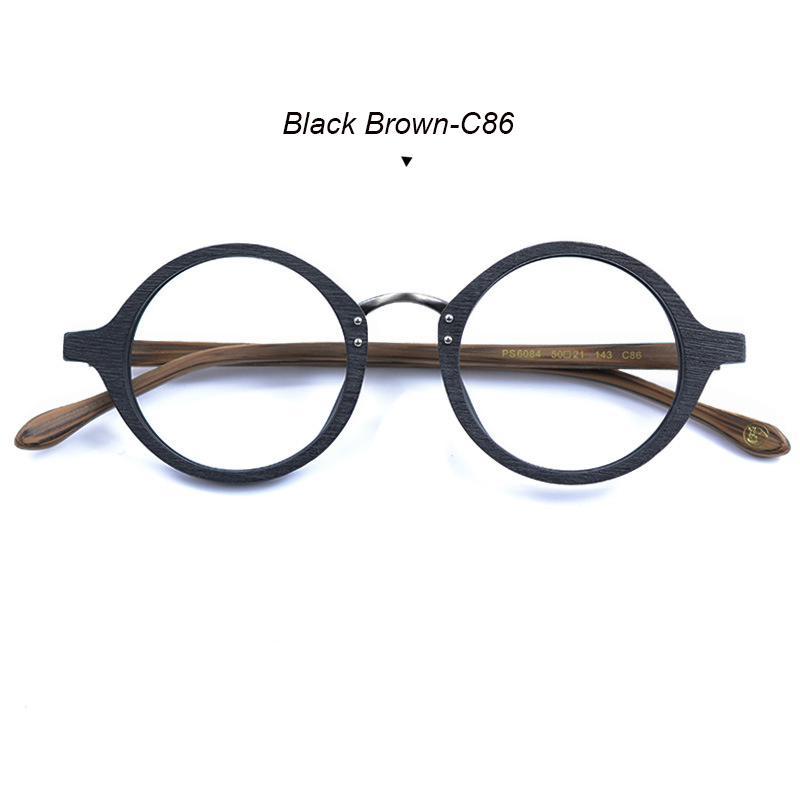
I understand the appeal of a bargain, especially for something as straightforward as reading glasses. However, my own attempts to save money on cheater eyeglasses backfired, costing me more in the long run. Learn from my missteps so you can get it right on your first try.
My initial error was always selecting the lowest-priced pair I could find. I told myself, "They're only for reading—how good do they need to be?" That was a serious miscalculation.
I recall one specific pair I ordered online for just a few dollars. Upon arrival, the plastic felt flimsy and the lenses scratched with the slightest touch. I once set them gently on a table, and a hinge simply broke. The frustration led me to discard them and buy another inexpensive pair, repeating the cycle. The costs accumulated, yet I never owned a decent set of glasses.
Verdict: Extremely low prices often signal poor quality. Focus on value rather than the lowest number.
When focused on saving, it's tempting to skip over the details that define a good product. I only considered the price and the promotional image, which was a major oversight.
One pair I purchased looked great in the advertisement. In reality, the lenses caused headaches because they were slightly blurry and distorted. The frames were loose from day one, and the screws constantly worked themselves free. I failed to investigate the materials, lens clarity, or construction quality. I mistakenly assumed any "eyeglasses" would improve my vision, not strain it.
Verdict: Pay close attention to the specifics. Prioritize durable materials and lenses that provide clear, distortion-free vision.
This is perhaps the simplest error to avoid, yet I consistently made it. I'd see an attractive frame, skim the description, and hit "buy" without glancing at other customers' opinions. Let my experience be a warning: never skip the reviews.
I bought a pair based on a compelling product image. After they broke within a week, I finally checked the reviews section. Dozens of people had reported the same issues: "Flimsy," "Broke immediately," "Lenses are blurry." Two minutes of reading would have saved me the purchase. Authentic customer feedback is invaluable—it reveals the product's true performance beyond the seller's description.
Verdict: Make it a habit to read reviews. They offer honest insights from people who have already tested the product.
Online advertisements are incredibly persuasive, using professional photography and models to make even low-quality glasses appear premium. I was fooled by this tactic multiple times.